










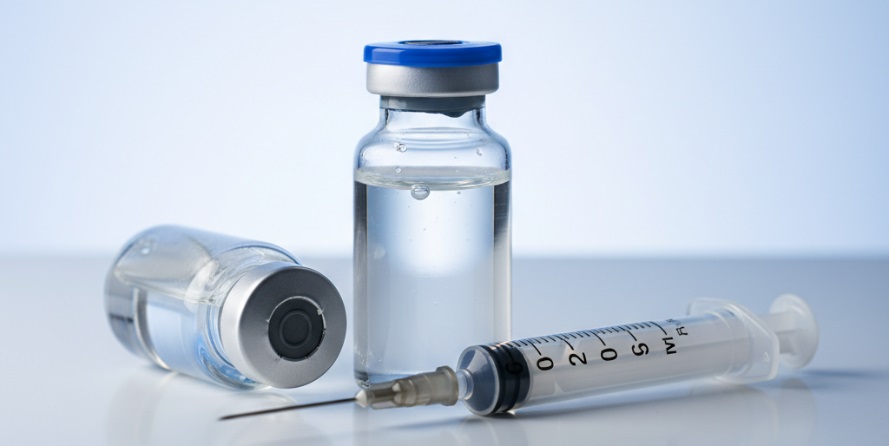
Are Peptides Safe? What to Know Before Starting Peptide Therapy
In recent years, peptide therapy has gained a lot of attention, promising improvements in everything from skin health to muscle recovery. However, before taking the plunge, you might wonder: Are peptides safe? The answer isn't always clear-cut, and there's a lot to understand before jumping on the bandwagon.
The purpose of this article is to explain what peptides are, how they work, and whether they're safe for use. We'll also highlight the things you need to know before considering peptide therapy.
Let's get started with a better understanding of peptides and their growing use in medical therapy.
What Are Peptides and How Do They Work?
A peptide is a short chain of amino acids that serves a specific function in the body. You can think of peptides like the instructions in a recipe—they guide the body in performing essential functions, like building muscles, repairing tissues, or regulating hormones.
Peptide therapy involves the use of synthetic peptides to mimic or enhance natural body processes. For instance, certain peptides are capable of stimulating collagen production, promoting fat loss, or promoting cell repair. The key is that these peptides are designed to interact with the body's own mechanisms, amplifying what it already does naturally.
How Are They Used Therapeutically?
Peptide therapy has a variety of uses. In clinical settings, peptides are commonly used for their regenerative properties. Whether it's for reducing inflammation, speeding up recovery after exercise, or supporting weight loss, peptide therapy is often explored as a more natural alternative to pharmaceuticals.
Here are a few therapeutic areas where peptides are commonly used:
- Anti-Aging: Some peptides are used in skincare to promote collagen production, helping to reduce fine lines and wrinkles.
- Muscle Growth and Recovery: Peptides can help you gain muscle mass and recover after an intense workout. By stimulating the release of growth hormone, they help to repair muscles.
- Fat Loss: Certain peptides can influence fat metabolism, promoting fat loss by stimulating the breakdown of stored fat in the body.
- Improved Sleep and Stress Relief: There are peptides that can help regulate sleep cycles and manage stress levels by influencing the body's hormonal balance.
Are Peptides Safe?
Yes, peptides are safe, but with caution. Like any treatment, the safety of peptide therapy depends on the specific peptide being used, the dosage, and how it's administered. Despite the fact that many peptides are safe to use when guided by a healthcare professional, not all are equally well-regulated. The FDA does not currently approve all peptides for therapeutic use, which means the quality and purity can vary between different brands.
It's essential to ensure that peptide therapy is administered by a professional who is knowledgeable about the specific peptides being used and how to properly monitor their effects. If you self-administer peptides without proper guidance, you could experience unintended side effects, so it's important to approach peptide therapy from an informed perspective.
What You Need to Know Before Undergoing Peptide Therapy
Before starting peptide therapy, there are several important considerations to keep in mind:
- Consultation with a Professional: Peptide therapy should always be supervised by a medical professional who can assess your health needs and determine whether peptide therapy is right for you.
- Quality of Peptides: Make sure you're using high-quality peptides from reputable sources. If the peptide is of low quality, it may not be as effective as it could be or even be harmful. Always ask your provider about the source and manufacturing process of the peptides being used.
- Potential Side Effects: Although peptides are generally tolerated well, side effects can occur. An array of symptoms may be present, from mild irritation to severe hormonal imbalances. Being aware of potential risks and monitoring your body's response is essential to successful therapy.
- Legality and Regulation: Peptides are not regulated by the FDA for all therapeutic purposes. Some peptides might be legal for use in certain states or under specific medical circumstances, but not in others.
- Long-Term Use: The long-term effects of peptide therapy are not fully known, so it's important to have realistic expectations. Although peptides may temporarily benefit the body, the way it responds to them can change over time.
Get Peptide Therapy in ThinWorks
At ThinWorks, we provide personalized peptide therapy in Palm Beach Gardens, Florida, that's safe and effective. If you're looking to improve your overall health, recover your muscles, or reduce the signs of aging, our experts will be able to guide you.
Our team at ThinWorks takes the time to assess your individual health goals and tailor a peptide therapy plan that fits your needs. The peptides we use are only of the highest quality from trusted manufacturers in order to ensure the best results. If you're ready to explore the potential benefits of peptide therapy, get in touch with us today to schedule a consultation.
Final Takeaway
Peptide therapy is a promising treatment option for many, but like all therapies, it comes with risks and considerations. So, are peptides safe? In most cases, yes—when done right and under professional supervision. If you're thinking about trying peptide therapy, make sure you're informed about the potential risks and side effects, and always consult with a trusted healthcare provider.
If you have more questions related to Peptides Therapy, contact our support team via email at pbg@thinworks.com or give us a call at 561-235-0100. Our ThinWorks expert support team will be happy to assist you. To learn more about peptide therapy, visit our blog section and get answers to all your questions.

Dr. Jaime Snarski is our Medical Director, who combines bariatric expertise with a passion for preventive health & personalized weight management. Visit to know more.
View Profile


%401x.svg)
