









How Long After Botox Can You Work Out?
Getting back to the gym is a top priority for many patients after a cosmetic treatment, and understanding the right timing makes all the difference. How long after Botox can you work out is one of the first questions patients ask after their treatment appointment. It is a fair concern, especially for those who follow a consistent fitness routine. The short answer is that most providers recommend waiting at least 24 hours before returning to any intense physical activity. However, there is more to consider depending on the type of exercise, your treatment area, and how your body responds to Botox injections. Let's explore in more detail.
Why Exercise Matters After Botox
Physical activity has many benefits, but after a Botox treatment, the timing of your return to exercise matters more than most people realize. Botox works by temporarily relaxing targeted muscles through a neuromodulator that takes time to fully settle into the injection site. Jumping back into your routine too soon can interfere with that process.
Exercise increases blood flow and body temperature, which can cause the Botox to spread beyond the intended treatment area. This may reduce the precision of your results or lead to unintended muscle relaxation in nearby areas. Giving your body the appropriate rest window is one of the simplest steps you can take to protect your investment.
The Standard 24-Hour Rule
The most widely accepted guideline across the medical aesthetics field is to avoid strenuous exercise for at least 24 hours after receiving Botox injections. This window allows the neuromodulator to begin binding properly to the target muscles without disruption from increased circulation or physical pressure. The American Academy of Dermatology recommends following all post-procedure instructions from your provider closely, as individual recovery factors can vary from patient to patient.
Some providers recommend waiting up to 48 hours for patients who received treatment in particularly sensitive areas or had a larger volume of Botox administered. Our team at ThinWorks weight loss centers provides personalized post-treatment instructions during every appointment so patients always leave knowing exactly what to do next.
What Happens If You Exercise Too Soon?
Working out after Botox before the recommended waiting period can lead to several undesirable outcomes. Understanding these risks makes it easier to see why the guidelines exist.
- Migration of the product: Increased blood flow from cardio or strength training can cause the Botox to shift away from the treated area, reducing its effectiveness in the intended muscles.
- Bruising and swelling: Physical exertion raises blood pressure, which can worsen any bruising or swelling already present at the injection site.
- Uneven results: If the Botox migrates before it fully settles, patients may notice asymmetrical results or a weaker effect in the treated area.
- Drooping: In rare cases, early migration near the eye or forehead area can cause temporary drooping of the eyelid or brow, a side effect that typically resolves on its own but is best avoided entirely.
The good news is that all of these risks are largely preventable by simply waiting the recommended amount of time before heading back to the gym.
How Long After Botox Can You Work Out
How long after Botox can you work out depends on the intensity of the activity. Not all exercise carries the same level of risk during the recovery period. Here is a general breakdown:
- Light walking: Generally considered safe within a few hours of treatment, as it does not significantly raise blood pressure or cause excessive sweating.
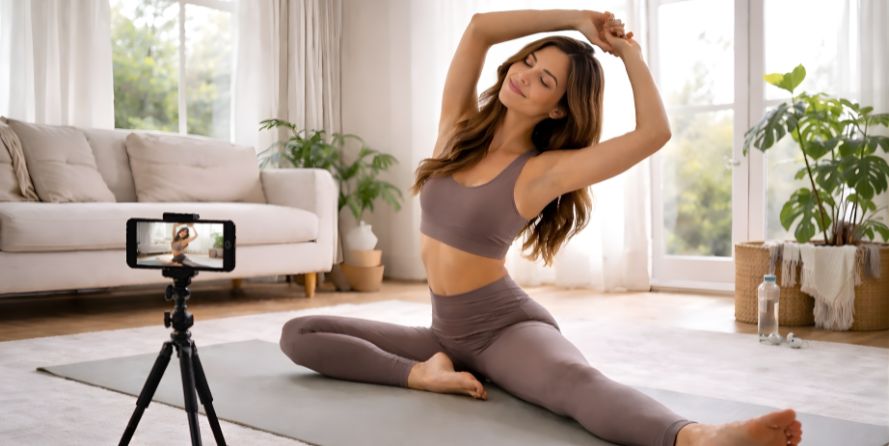
- Yoga and stretching: Wait at least 24 hours, and avoid inverted poses or positions that put pressure on the face and head during this time.
- Moderate cardio: Wait a full 24 hours before returning to activities like cycling, jogging, or aerobics classes.
- High-intensity training: Weight lifting, HIIT, CrossFit, and similar activities should be postponed for at least 24 to 48 hours.
- Hot yoga and saunas: Avoid heat-based activities for at least 48 hours, as heat accelerates blood flow and increases the risk of product migration.
Our providers at ThinWorks review these timelines with each patient based on the specific treatment received and the individual's overall health profile.
Wait 24 Hours Before Doing Intense Exercise
Exercise after Botox should begin with lower-intensity movement and build gradually. The 24-hour window is not arbitrary. It reflects how long the neuromodulator typically needs to begin stabilizing within the treatment site.
During this time, we recommend keeping activity levels light. A short, easy walk around the block is fine for most patients. What should be avoided is anything that gets your heart rate significantly elevated, causes heavy sweating, or requires you to bear weight or apply pressure near the treated area.
Patients who respect this waiting period consistently report smoother results and fewer complications. It is one of the easiest aftercare steps to follow and one of the most impactful.
Avoid Activities That Require Bending or Putting Pressure on Your Head
Beyond general exercise intensity, certain movements carry specific risks after Botox. Activities that involve bending forward, lying face down, or placing any pressure on your head or face should be avoided during the first 24 hours.
This includes exercises like downward-facing dog in yoga, bench pressing with a face-down position, or certain Pilates movements that require prolonged inversion. These positions increase blood flow to the face and can physically displace the product before it has had time to settle.
Sleeping positions matter too. Patients are typically advised to sleep on their back and keep their head slightly elevated on the night following their Botox treatment. This small adjustment helps reduce any pressure or swelling around the injection sites.
Try Some Facial Exercises
One area where gentle movement is actually encouraged after Botox is the face itself. Some providers recommend performing light facial exercises, such as smiling, raising your eyebrows, or gently frowning in the hours following treatment. These micro-movements may help the Botox absorb more evenly into the targeted muscles.
It is important to note that this refers to natural, low-effort facial expressions, not forceful or exaggerated movements. The goal is simply to allow the treated muscles to engage gently while the product settles. Our team can walk you through any specific facial movement recommendations that apply to your treatment area.
DON'T: Let It Throw Off the Rest of Your Routine
A 24 to 48-hour pause from intense exercise does not have to disrupt your overall fitness routine. Many patients plan their Botox appointments around their workout schedule, scheduling treatments on rest days or at the end of a workout week so the recovery window does not interfere with their fitness goals.
Working out after Botox is completely fine once the recommended waiting period has passed. The temporary adjustment to your schedule is minor compared to the quality and longevity of your results.
At ThinWorks, we are happy to help patients plan their treatment timing around their lifestyle so that Botox fits smoothly into their routine rather than disrupting it.
Is It Safe to Do Low-Impact Activities?
Yes, low-impact activities are generally considered safe within a few hours of your Botox appointment. Light walking, gentle stretching at a horizontal level, and casual daily movement are unlikely to cause complications for most patients.
The key is to keep your heart rate at a relaxed level and avoid anything that causes significant perspiration or pressure around the treated area. If you feel any discomfort, unusual tightness, or notice unexpected swelling during low-impact activity after your treatment, it is best to stop and contact your provider.
Guidelines for High-Intensity Workouts
High-intensity workouts should be postponed for a minimum of 24 hours, and in some cases 48 hours, after Botox injections. This category includes:
- Weight training and resistance exercises
- High-intensity interval training (HIIT)
- Competitive sports and athletic training
- Boot camp-style fitness classes
- Running at a vigorous pace
These activities significantly raise your heart rate, increase body temperature, and can cause facial flushing, all of which create conditions that are less favorable for Botox to settle properly. Waiting the full recommended period before returning to these workouts gives the treatment its best chance of delivering optimal results.
Why Heat and Sweating Are Important to Consider
Heat and sweating deserve special attention in the context of exercise after Botox. Elevated body temperature increases circulation, and sweating near the injection area creates additional movement and friction that can interfere with the treatment.
Beyond the gym, patients should also avoid:
- Hot showers or baths within the first 24 hours
- Steam rooms and saunas for at least 48 hours
- Hot tubs and heated pools for the first day or two after treatment
- Sun exposure and tanning beds, which raise skin temperature and may increase swelling
Keeping your environment and body temperature moderate during the initial recovery window supports better absorption and more consistent outcomes. This is a straightforward step that makes a real difference in the quality of your results.
Signs to Watch For During Exercise
Once you have passed the recommended waiting period and return to your normal fitness routine, it is worth paying attention to how your body feels. While complications after Botox are uncommon, being attentive helps you catch anything unusual early.
Contact your provider if you notice any of the following after returning to exercise:
- Unusual or worsening swelling around the injection sites
- Asymmetry in the treated area that was not present immediately after your appointment
- Drooping of the eyelid or brow that develops after exercise
- Persistent headache or discomfort around the treatment area
- Redness or warmth that does not resolve within a day or two
Most patients return to exercise without any issues. These signs are relatively rare, but knowing what to watch for gives you the confidence to get back to your routine with peace of mind.
When Should You Reach Out to Your Provider?
You should contact your provider anytime something feels off after your Botox appointment, whether related to exercise or not. Specifically, reach out if:
- You have questions about whether a specific activity is safe, given your treatment area
- You notice asymmetrical results developing after returning to your workout
- You experience prolonged bruising, swelling, or discomfort that does not improve
- You accidentally exercised too soon and want guidance on what to monitor
Our team at ThinWorks is always available to answer patient questions between appointments. We believe that clear communication throughout the treatment process leads to better outcomes and a more comfortable experience for every patient.
Where to Get Botox Injection Treatment
At ThinWorks, we provide Botox injection treatment in Palm Beach Gardens as part of a broader menu of medical aesthetics and wellness services. Our clinical team brings the same level of care and attention to every appointment, whether a patient is visiting for Botox, medical weight loss, or another treatment offered through our practice.
We also offer Peptide Therapy as part of our comprehensive wellness programs. Patients who are interested in combining aesthetic treatments with advanced weight loss solutions will find that our team is well-equipped to support a full range of health and wellness goals under one roof. You should take a look at Does Peptide Therapy Work? If you are curious to learn more about peptide therapy.
From your consultation through your post-treatment follow-up, ThinWorks is committed to delivering results you can see and a patient experience that keeps you coming back with confidence. To learn more about Botox and what it is made of, click here.
Final Takeaway
Exercise after Botox is something most patients can return to within 24 to 48 hours, provided they follow the post-treatment guidelines their provider recommends. The temporary pause in your fitness routine is a small trade-off for results that look smooth, natural, and last as long as possible.
Knowing how long after Botox you can work out, which activities to avoid and for how long, and what signs to pay attention to puts you in control of your recovery. At ThinWorks, we are proud to support every patient with clear, honest guidance before, during, and after each treatment. If you have questions about Botox aftercare or are ready to schedule your appointment, reach out to our team today.
Have questions about Botox injections? Our expert team is happy to assist! Get in touch at pbg@thinworks.com or call 561-235-0100. Visit our blog section for more in-depth information.
-p-800.jpeg)
Katherine, a weight loss coach at here since 2016, uses her Certified Medical Assistant expertise to guide clients to wellness success. Visit to know more.
View Profile


%401x.svg)
