










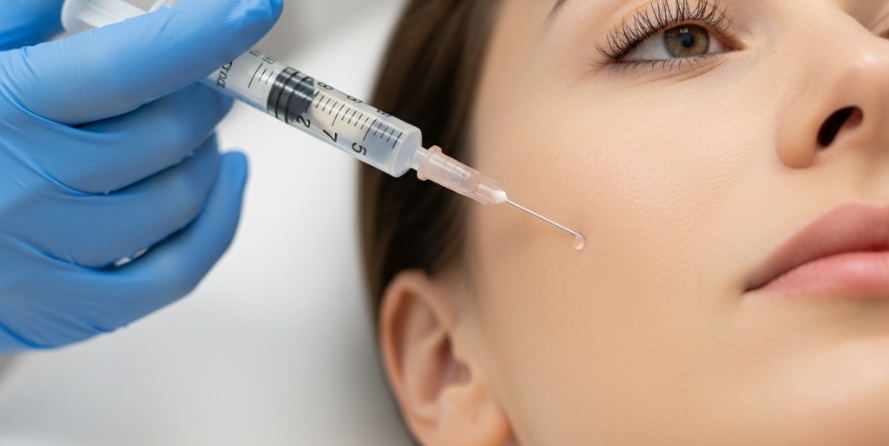
Who Can Give Botox Injections? A Complete Guide
The popularity of Botox injections has increased in recent years worldwide. It is common for people to wonder, "Who can give Botox injections?" That's not as obvious as you might think. It is often used by clinicians to reduce wrinkles, but it is also prescribed by medical practitioners for a variety of conditions. However, only qualified professionals can administer these injections safely and effectively. In this article, we'll explore the qualifications and guidelines around who is authorized to administer Botox, the process involved, and how Botox can be used for both cosmetic and medical purposes.
What Exactly is Botox Injection and How Does It Work?
The Botox injection uses a purified form of botulinum toxin that temporarily blocks nerve signals to muscles, causing them to relax. By relaxing the muscles around the forehead, eyes, and mouth, wrinkles and fine lines are smoothed out. This minimally invasive procedure usually lasts three to four months. Besides its use for chronic migraines, Botox is also used to treat excessive sweating, twitching muscles, and muscle spasms. In addition to being quick and painless, this treatment does not require downtime and provides a natural-looking result.
Who is Qualified to Give Botox Injections?
In many countries, Botox is considered a medical procedure, meaning that it should only be performed by trained and licensed professionals. There are varying qualifications for performing Botox injections from region to region, but generally speaking, these professionals are qualified:
Nurse Practitioners and Physician Assistants
The administration of injections is covered by both nurse practitioners (NPs) and physician assistants (PAs). These professionals are highly educated in the field of medicine and work under the supervision of a physician. Botox injections can be done by NPs and PAs in most states, and they can be used for cosmetic as well as medical uses. Their qualifications vary depending on their level of training, certifications, and the state laws where they practice.
Registered Nurses
Botox injections can be administered by registered nurses (RNs) in some states, but they must be supervised by a licensed physician. In some areas, RNs are only permitted to administer Botox under specific guidelines set by medical boards or physician supervisors. Botox injections are typically administered by RNs with additional training and certifications to ensure that they are properly qualified to handle the treatment safely.
Physicians
Physicians, particularly those specializing in dermatology, plastic surgery, or other related fields, are fully qualified to perform Botox injections. In fact, physicians are often the professionals most closely associated with Botox treatments. They have the medical knowledge and expertise to evaluate a patient's suitability for Botox, perform the injection with precision, and manage any potential complications.
Can Aestheticians Administer Botox Injections?
Aestheticians cannot administer Botox injections in most regions. Although aestheticians are skilled in providing facials, skincare, and other cosmetic treatments, Botox is a medical procedure that requires a higher level of expertise and training. Aestheticians may work in a medical spa setting alongside licensed medical professionals, but they are not authorized to inject Botox on their own.
Back Pain and Health Conditions: Who Can Administer Botox for Pain?
Botox can be used for medical conditions such as chronic back pain, and qualified professionals can administer these injections. Generally, physicians, particularly those specializing in pain management, neurology, or orthopedics, are the ones administering Botox for pain relief. They will evaluate the patient's condition and determine whether Botox is appropriate. Botox is FDA-approved for certain medical uses, including chronic migraines and muscle spasms, and is becoming more commonly used to treat conditions like back pain and neck pain.
The Process of Administering Botox
Botox can be administered by injecting small amounts into a targeted muscle. It may take 10 minutes to half an hour for a treatment to be completed, depending on the condition. Cosmetically, Botox is usually injected around the eyes, on the forehead, or on frown lines. Medically, Botox is used to treat muscle spasms by injecting it into the muscles and causing discomfort or spasms. The injection sites are usually marked in advance to ensure precise placement.
As soon as the injections are completed, patients can usually resume their normal activities. It is possible for injection sites to swell or bruise, but these effects are usually short-lived and temporary.
How Often Should You Get Botox Injections?
The frequency of Botox treatments depends on the type of condition being treated.
Medical Use
For medical conditions like chronic migraines or excessive sweating, Botox injections may need to be administered every three to four months. Timing may differ depending on how well an individual responds to treatment and whether the physician recommends it. Over time, patients may notice a longer duration of effectiveness between treatments.
Cosmetic Use
Injections of Botox for cosmetic purposes usually last about three to four months. With Botox wearing off, the muscles gradually resume their ability to contract, causing wrinkles and lines to reappear. To maintain the smooth look, patients typically need to return for regular treatments every three to four months.
Botox Injections for Pain Relief
Botox isn't just for cosmetic purposes; it also has a growing role in managing chronic pain, particularly muscle-related pain.
Botox for Chronic Back Pain Relief
Botox can be used to relieve chronic back pain, especially when the pain is caused by muscle spasms. When Botox is injected into the muscles of the back, it can help reduce muscle tension and spasms, leading to significant pain relief. Physicians specializing in pain management or orthopedics typically administer Botox for back pain. The injections target the specific muscles responsible for the discomfort, offering a non-invasive option for managing chronic pain.
Botox Injections for Neck Pain Relief
Botox is also used to treat chronic neck pain. The use of Botox can help reduce muscle tension in the neck, similar to how it can relieve back pain. Especially useful for patients suffering from cervical dystonia, a neurological disorder in which the muscles of the neck contract uncontrollably. Botox injections can temporarily relax these muscles, offering relief from pain and stiffness.
Advantages of Botox for Pain Management
Botox has several advantages when used for pain management. For one, it offers a non-surgical solution for chronic pain conditions. Some patients, who have failed to find relief from other treatments, may be able to achieve relief through Botox injections. Additionally, Botox is often considered a more targeted approach than oral pain medications, as it works directly on the muscles causing the pain.
You should keep in mind that Botox cannot cure chronic pain. It offers temporary relief, and patients may need ongoing treatments to maintain its effects.
Where Can I Get Botox Injection Treatment?
At ThinWorks, we offer Botox injection treatments in Palm Beach Gardens, Florida. Whether you're looking for cosmetic enhancements or seeking relief from chronic pain, our team of skilled medical professionals is here to help. Contact us today to schedule your Botox consultation and experience the benefits firsthand.
Final Thoughts
In conclusion, Botox injections are versatile treatments that can be used on the cosmetic side as well as for medicinal purposes. It should be noted, however, that not everyone is qualified to administer Botox. The injections of Botox can be administered by a physician, nurse practitioner, physician assistant, or, in some states, by a registered nurse under physician supervision. While aestheticians are skilled in many areas of cosmetic treatments, they are generally not permitted to administer Botox.
For Botox injections, whether for cosmetic or pain relief reasons, you need to select a qualified professional for maximum safety and results.
Have more questions related to Botox Injections? Contact our support team via email at pbg@thinworks.com or call 561-235-0100 to get clarification for all your questions. The ThinWorks Expert Support Team will be happy to assist you. To learn more about Botox Injections, visit our blog section and get answers to all your questions.
-p-800.jpeg)
Katherine, a weight loss coach at here since 2016, uses her Certified Medical Assistant expertise to guide clients to wellness success. Visit to know more.
View Profile


%401x.svg)
